A perfect green lawn or sports field doesn’t always have to rely on natural grass anymore. Thanks to modern innovation, turf and artificial grass have become popular alternatives that offer beauty, durability, and convenience without the constant upkeep. Yet, many people use the terms “turf” and “artificial grass” interchangeably.
When in fact, they serve very different purposes. While turf is designed for high-performance sports use, artificial grass focuses more on comfort, aesthetics, and safety for homes and playgrounds. So, what really sets them apart? And when it comes to health and injury prevention, is turf safer than artificial grass? Let’s explore the key differences, benefits, and safety considerations to help you choose the best surface for your needs.
Understanding Turf vs. Artificial Grass
What Is Turf?
The term “turf” generally refers to synthetic turf, a type of artificial surface designed primarily for sports and high-impact activities. Turf mimics the texture and function of natural grass but is built to handle heavy foot traffic, sliding, and physical play. It’s commonly found in football fields, soccer pitches, baseball training centres, and other athletic venues.
Modern turf systems are made from durable plastic polymers such as polyethylene, polypropylene, or nylon fibres, often layered over a base of rubber infill or sand to provide cushioning and traction. The design focuses more on performance and resilience than on natural aesthetics.
What Is Artificial Grass?
Artificial grass, on the other hand, is a synthetic lawn surface designed to replicate the look and feel of real grass, not just its function. It’s popular for residential yards, gardens, playgrounds, rooftop areas, pet spaces, and commercial landscaping.
Unlike sports turf, artificial grass prioritises appearance, comfort, and safety over extreme durability. It typically features a softer texture, longer fibres, and more vibrant green tones to look natural. The infill (material added between the fibres) can vary from sand to organic materials like cork or coconut fibres to provide a comfortable, low-impact surface.
Key Differences Between Turf and Artificial Grass
Though both turf and artificial grass fall under the broader category of synthetic surfaces, their differences go beyond simple aesthetics. Here’s how they compare in major aspects:
| Category | Turf (Sports Turf) | Artificial Grass (Landscape Grass) |
| Purpose | Built for athletic fields, sports training, and high-impact use. | Designed for residential, decorative, or light recreational use. |
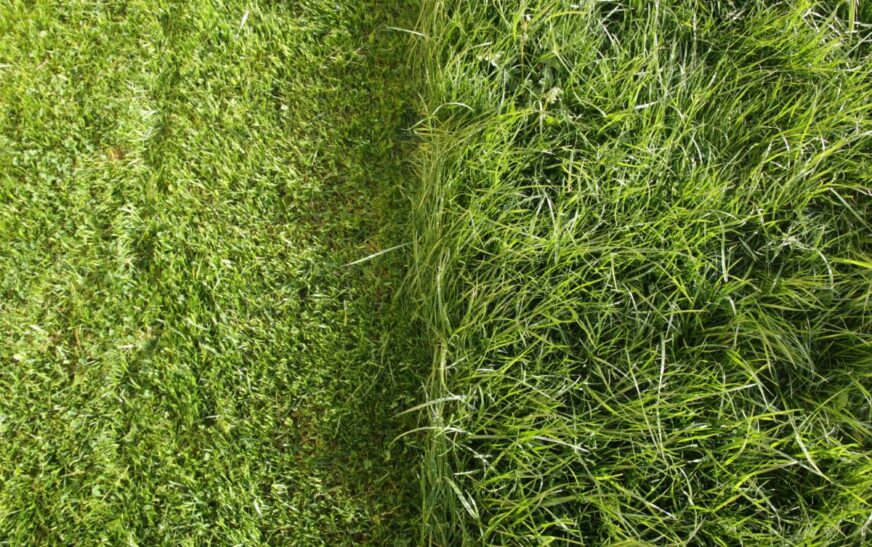
| Texture | Shorter fibres (1–2 inches), stiffer, more compact for better traction. | Longer fibres (1.5–2.5 inches), softer, and more natural in feel. |
| Material Composition | Mostly nylon or polyethylene with rubber infill. | Polyethylene or polypropylene with sand or organic infill. |
| Durability | Extremely durable; withstands heavy traffic and wear. | Moderate durability; not ideal for sports use. |
| Cushioning | Firmer surface for ball bounce and player agility. | Softer surface, better for barefoot comfort. |
| Aesthetic Appeal | Functional and uniform; not designed to look like real grass. | Designed to look realistic and green all year round. |
| Maintenance | Requires grooming and infill replacement. | Low maintenance; occasional rinsing and brushing. |
| Safety | Designed to reduce injuries during sports, but it can cause turf burns. | Softer and safer for casual play and pets. |
The Safety Debate: Is Turf Safer Than Artificial Grass?
When comparing turf and artificial grass, the key question for many users, especially parents, athletes, and pet owners, is safety. Let’s break down the main safety considerations for both types of surfaces.
1. Impact and Injury Risk
-
Turf:
Sports turf is engineered for performance. It offers controlled friction and stability, which is essential for running, sliding, and rapid movements. However, turf surfaces can be firmer than natural grass, leading to turf burns, joint strain, or abrasions when athletes fall or slide. In some older installations, hard rubber infills have been linked to an increased risk of ankle and knee injuries due to reduced shock absorption.
-
Artificial Grass:
Landscape-grade artificial grass is generally softer and less abrasive. It’s safer for children’s play areas and pets because it cushions minor falls. However, because it’s not designed for high-speed impacts, it might not be suitable for competitive sports or activities requiring high traction.
Verdict: For casual use, artificial grass is safer due to its softness. For organised sports, turf is safer because it provides the stability needed for performance, though it comes with some trade-offs in abrasiveness.
2. Heat Retention
Both turf and artificial grass absorb heat, but turf fields tend to get significantly hotter. The dark rubber infill and dense plastic fibres can raise surface temperatures to 20–50°F (10–27°C) higher than natural grass, especially in direct sunlight. This can pose risks such as burns or dehydration for players and pets.
Manufacturers have introduced cooling infills and lighter-colored fibres, but heat buildup remains a concern.
Verdict: Artificial grass generally stays cooler and is therefore safer in warm climates, especially for children and pets.
3. Chemical Exposure
Some types of turf use crumb rubber infill, made from recycled tyres, which may contain trace levels of heavy metals or volatile organic compounds (VOCs). While studies have not proven a definitive link between turf exposure and health problems, the potential chemical risk remains a topic of ongoing research.
Modern turf systems now use alternative infills like cork, coconut husks, or thermoplastic elastomers (TPE), which are non-toxic and more environmentally friendly.
Artificial grass designed for homes typically uses safe, non-toxic materials and organic infills, making it suitable for children and pets, and safe to install near fruit trees or vegetable gardens without worrying about soil contamination.
Verdict: Artificial grass is typically safer due to its more eco-friendly and non-toxic composition, especially when used for domestic purposes.
4. Maintenance and Hygiene
Turf fields used for sports accumulate sweat, debris, and bacteria over time, requiring regular cleaning, disinfection, and infill replacement. Poor maintenance can increase the risk of bacterial infections like MRSA among athletes.
Artificial grass lawns, meanwhile, are low-maintenance. Occasional rinsing and brushing prevent mould and odour buildup, and newer products often include antimicrobial coatings.
Additionally, since artificial grass eliminates the need for soil and water, it discourages rodents, insects, and pests from nesting. Many homeowners use it as a natural pest control solution that keeps outdoor areas clean, dry, and bug-free.
Verdict: Artificial grass is generally easier to keep clean and hygienic, especially for home use.
5. Environmental Impact
While both turf and artificial grass are synthetic and require energy to produce, artificial grass is more environmentally friendly when used in smaller applications like lawns or rooftops. It conserves water, eliminates fertilisers, and reduces carbon emissions from lawn mowing.
Sports turf, however, is installed over large areas and often requires rubber infills that can migrate into the environment. Recycled tyre infills, while cost-effective, can leach microplastics into the soil and waterways.
Verdict: For sustainability, artificial grass has the advantage, particularly in residential settings.
Choosing Between Turf and Artificial Grass
Selecting the right surface depends on how you plan to use it. Here are some recommendations:
Choose Turf If:
- You manage or play on a sports field or training facility.
- Durability and performance are more important than appearance.
- You need a surface that can handle heavy traffic and impact.
- You have a maintenance plan for infill and grooming.
Choose Artificial Grass If:
- You want a low-maintenance lawn that looks beautiful year-round.
- Comfort, appearance, and safety for children or pets are priorities.
- You’re covering small areas like gardens, patios, rooftops, or play zones.
- You prefer eco-friendly, non-toxic infills.
For homeowners or facility managers uncertain about which option fits best, consulting professionals such as Direct Turf can help you assess your specific needs, budget, and safety requirements.
Future Trends: Safer and Greener Innovations
The turf and artificial grass industries are evolving rapidly, driven by environmental concerns and safety standards. Some exciting innovations include:
- Organic infills (like cork or olive pits) are replacing crumb rubber.
- Cooling fibre technology that reduces surface heat by up to 30%.
- Antimicrobial coatings to prevent bacterial buildup.
- Recyclable backing materials make end-of-life disposal more sustainable.
As these technologies improve, the safety gap between turf and artificial grass is narrowing — offering users more comfortable and eco-conscious options than ever before.
Conclusion: Which Is Safer?
So, is turf safer than artificial grass?
The answer depends on context.
- For sports and athletic fields, turf is safer in terms of performance and traction — but it can cause abrasions and heat buildup if not properly maintained.
- For homes, playgrounds, and pet areas, artificial grass is safer, softer, cooler, and more hygienic.
Ultimately, the best choice depends on your intended use, maintenance capacity, and environmental priorities. If comfort, appearance, and everyday safety are your goals, artificial grass is the clear winner. But if you need a surface that supports professional sports and heavy physical activity, modern synthetic turf remains the reliable option — as long as it’s installed and maintained with safety in mind.