For most people, a home is the single largest purchase they’ll ever make. We insure it, we maintain it, we renovate it, we agonise over paint colours and kitchen splashbacks — and yet one of the biggest threats to its value works silently, out of sight, and is routinely ignored until the damage is already done. Termites don’t announce themselves.
By the time you notice the tell-tale signs, they may have been quietly feeding on the timber structure of your house for months or even years. Understanding what’s at stake is the difference between a manageable, affordable treatment and a devastating repair bill that arrives with no warning.
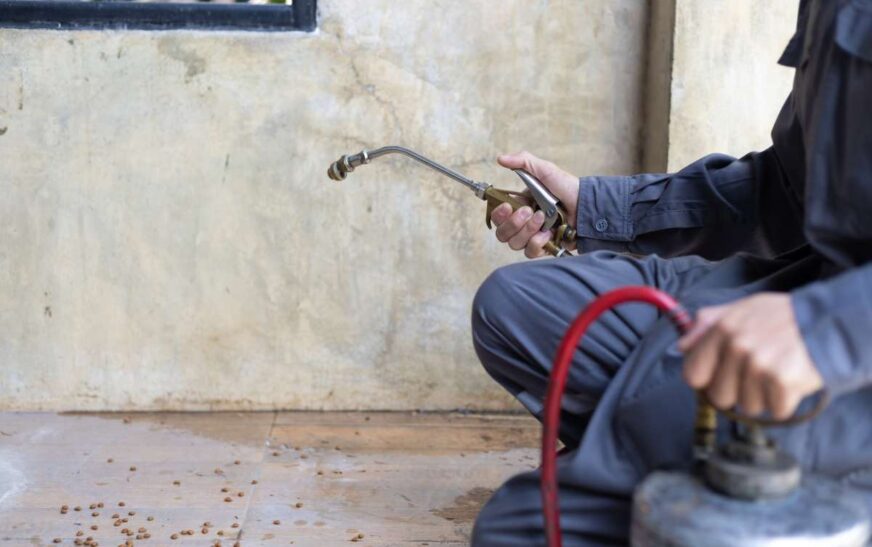
The economics here are stark. A professional termite inspection is a modest, predictable cost, while structural termite damage can run into tens of thousands of dollars and is generally not covered by standard home insurance. That gap is exactly why arranging regular checks through an experienced Pest Control Services Melbourne provider is one of the smartest, lowest-effort ways to protect your investment.
It’s the classic case of a small, boring expense preventing an enormous, stressful one — the home-maintenance equivalent of servicing your car so the engine doesn’t seize.
Why termites are so easily missed
Termites are often called “silent destroyers” for good reason. They eat timber from the inside out, leaving a thin outer shell intact so a skirting board, door frame, or structural beam can look perfectly sound while being hollowed out behind the paint. They travel through mud tubes hidden in wall cavities and under floors, avoiding open air, which means they can move through a house for a long time without ever being seen. And they’re drawn to exactly the conditions many homes provide without anyone realising: moisture, warmth, and untreated timber in contact with soil.
What makes them especially dangerous is their patience and their numbers. A mature colony can contain hundreds of thousands of individuals, all working continuously, and they don’t hibernate through the cooler months the way some pests slow down. In the right conditions, they simply keep going, which is why damage can accumulate faster than most homeowners expect.
Common warning signs, when they finally appear, include:
- Timber that sounds hollow or papery when tapped
- Fine mud tubes running up foundations, walls, or piers
- Doors and windows that suddenly stick or jam as frames warp
- Small piles of what looks like sawdust, or discarded wings near windowsills
- Paint that bubbles, ripples, or cracks unexpectedly
- Tiny holes in plaster or timber with mud around the edges
The trouble is that these signs typically show up after significant damage has already occurred. By the time a door won’t close properly, the frame behind it may already be compromised. An inspection catches activity long before it reaches that visible, expensive point.
What regular inspections actually do
A professional inspection isn’t just a quick walk-through with a clipboard. It involves methodically checking the areas termites favour — subfloors, roof voids, damp corners, garden beds against external walls, fence lines, and any timber that touches soil. A trained inspector knows where to look and what early activity looks like, often spotting the faint mud tubes or subtle timber changes that an untrained eye would walk straight past.
Catching activity early means a targeted treatment rather than a demolition-and-rebuild. There’s a world of difference between treating an active colony before it has done structural harm and replacing load-bearing timber after the fact. Just as importantly, a good inspection flags the risk factors you can actually fix: poor subfloor drainage, timber touching soil, leaking pipes, blocked weep holes, stacked firewood against the house, and garden beds banked up against external walls. Addressing those conditions makes your property far less attractive to termites in the first place, turning the inspection into both a diagnosis and a prevention plan.
Most experts recommend an inspection at least once a year, and more often for older homes, timber-framed builds, or properties in higher-risk areas. It’s a small window of a professional’s time that can save you from the worst kind of financial surprise — the kind you can’t see coming and can’t easily insure against.
The insurance gap most owners don’t know about
Here’s a detail that catches many homeowners off guard: standard home and contents insurance almost universally excludes termite damage. Insurers treat it as a preventable maintenance issue rather than a sudden, insurable event, on the reasoning that regular inspections would have caught it. That means if termites eat through your subfloor undetected, the repair bill is usually yours alone to carry. Regular inspections are, in effect, the only real “policy” you have against termite damage — and unlike an insurance premium, they actively prevent the problem rather than just paying out after it happens.
Protecting the asset, not just the house
Beyond the immediate repair bill, undetected termite damage can quietly erode your property’s resale value and complicate a future sale. When you eventually sell, buyers will commission their own building-and-pest inspection, and evidence of termite activity or past damage can stall negotiations, trigger price reductions, or scare buyers off entirely. Regular termite checks, kept on record, give you documented proof that the home has been actively monitored and protected. That paperwork is genuinely reassuring to a prospective buyer and can be the difference between a smooth sale and an awkward renegotiation.
Viewed this way, termite inspections aren’t really an expense at all — they’re a form of asset protection for the most valuable thing you own. The cost is small, predictable, and entirely within your control, while the damage they prevent is large, unpredictable, and largely uninsurable. Few maintenance tasks offer that kind of return.
If you’re thinking about your property’s long-term value, you may also enjoy our guides on transforming an old balcony with a modern renovation, the causes and effects of a growing rat problem in your house, and making your home a smart home to keep it modern, efficient, and well-maintained.
Frequently Asked Questions
How often should I get a termite inspection?
Most professionals recommend a thorough termite inspection at least once a year. Older homes, timber-heavy builds, and properties in high-risk areas may benefit from more frequent checks to catch activity before it causes serious damage.
Does home insurance cover termite damage?
Generally, no. Standard home insurance policies typically exclude termite and pest damage because it’s considered preventable through maintenance and inspection. This is a key reason regular professional inspections are so valuable.
What are the early warning signs of termites?
Look for hollow-sounding timber, mud tubes on walls or foundations, doors and windows that stick, discarded wings, and unexplained bubbling or cracking paint. Many of these only appear after damage has begun, which is why proactive inspections matter.
Can termites damage a brick home?
Yes. Even brick and concrete homes contain timber in framing, roof trusses, door frames, and flooring. Termites can travel through tiny gaps in slabs and cavities to reach that timber, so no home is entirely immune.
Is a termite inspection worth the cost?
Almost always. The cost of an inspection is small compared with the tens of thousands that structural termite repairs can require. Catching activity early keeps treatment simple, affordable, and far less disruptive.